
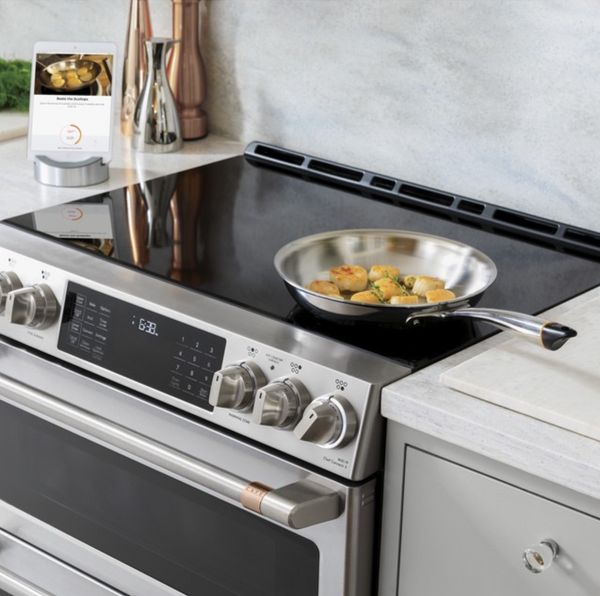
Modern kitchens are increasingly designed around clean lines, uninterrupted surfaces, and appliances that feel custom-built rather than simply placed into a space.
One cooking appliance that plays a major role in achieving this seamless look is the slide in range. Homeowners often notice it first for its polished appearance, but its appeal goes far beyond aesthetics.
Understanding how this type of range works, and how it’s installed can help you decide whether it’s the right upgrade for your kitchen.
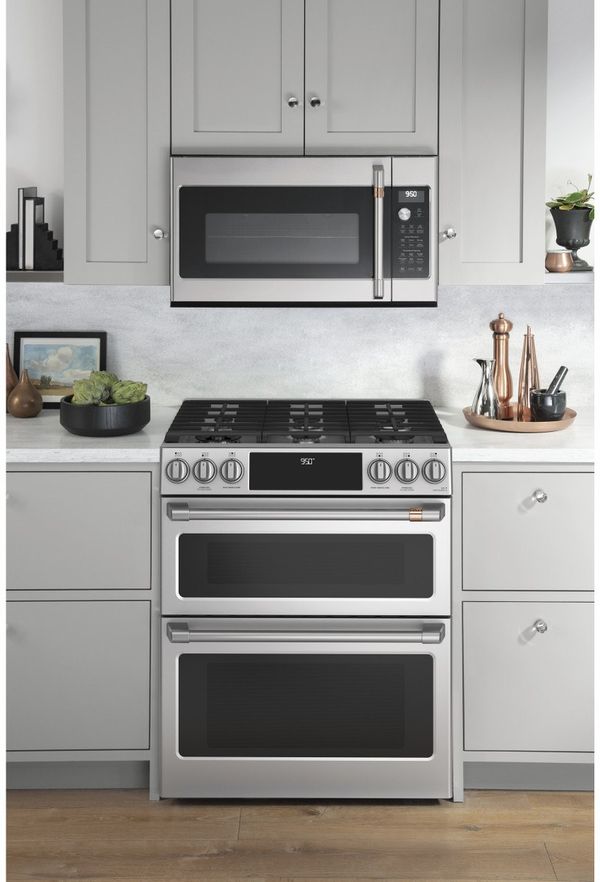
A slide in range is designed to fit snugly between base cabinets, creating a built-in appearance without the need for a separate wall oven and cooktop. With controls located at the front and sides that slightly overlap the countertop, it eliminates the backguard found on many traditional ranges.
This design difference enhances aesthetics and affects installation requirements, safety considerations, and overall kitchen layout in ways that set slide in models apart from freestanding ranges.
➜ Learn More: Induction vs Electric Stoves: Pros, Cons, and Key Differences
Slide-In Range vs Freestanding Range
At a glance, the biggest difference between a slide-in and a freestanding range is appearance. \
A slide in range sits flush with your countertops, offering a streamlined, high-end look that blends seamlessly with surrounding cabinetry. Freestanding ranges, by contrast, typically include a back control panel and finished sides, making them easier to place anywhere but less integrated visually.
Control placement is another key distinction. Slide in ranges feature front-mounted controls, which many homeowners find more ergonomic and safer, since there’s no need to reach over hot burners. Freestanding ranges usually place controls on a raised back panel, which can be more familiar but less sleek.
Installation is where the differences become especially important. A slide in range requires more precise measurements and alignment. The cutout must match the manufacturer’s specifications closely, and countertops must be level for the range to sit flush.
Freestanding models are more forgiving, often able to slide into slightly uneven or wider openings without issue. Many ranges being marketed as “slide in” are actually freestanding ranges designed to mimic the look of a slide in range with front controls and no backguard. The key difference is whether or not the range has finished sides.
Slide In Range Pros and Cons
As you consider which range is the right fit for your style and kitchen layout, here are some pros and cons to consider:
Pros
Built-In, High-End Look
Seamless, built-in appearance that elevates overall kitchen design.
Front Control Convenience
Front controls provide easier access and maintain a clean backsplash view.
Gap-Hiding Design
Overlapping edges help conceal gaps between the appliance and countertops.
Advanced Features
Often paired with premium features and advanced cooking technology.
Cons
Precise Installation Required
Requires exact measurements and careful installation.
Higher Cost
Typically more expensive than freestanding models.
Limited Flexibility
Less forgiving if cabinetry or flooring is uneven.
Professional Installation Needed
Installation may require professional assistance to meet safety codes.
Key Installation Requirements for Slide-In Ranges
Before installing a slide in range, it’s essential to understand the technical requirements involved. These ranges are designed for a tailored fit, which means utilities, clearances, and cutout dimensions must be correct before delivery day.
For electric range models, understanding slide-in range electrical requirements is critical. Most electric slide-in ranges require a dedicated 240-volt outlet and a properly rated circuit. Older homes may need electrical upgrades to meet current standards, and outlet placement must align with the range’s rear access panel.
Gas models bring their own considerations. A proper gas line connection slide-in range setup ensures safe operation and consistent performance. The gas shutoff valve must be accessible, connections must be leak-tested, and local codes often dictate the type of flexible connector that can be used.
Ventilation is another important factor. While many kitchens rely on an overhead hood, some homeowners opt for a slide-in range with downdraft ventilation, which pulls steam and odors downward rather than upward. Regardless of style, proper ventilation for slide-in range installations helps maintain air quality and protects cabinetry from heat and moisture.
Finally, precision matters. The slide-in range countertop cutout dimension must match the manufacturer’s specifications exactly. Even small discrepancies can result in visible gaps or prevent the range from sitting flush with the countertop surface.
How to Install a Slide-In Range
Understanding how to install a slide-in range begins with preparation. Installation starts well before the appliance is moved into place, with careful measuring and inspection of the existing opening. This step is especially important when replacing freestanding range with slide-in models, as older cutouts may not align with newer specifications.
Countertop preparation involves confirming width, depth, and height clearances. Floors should be level, and cabinets must be square to ensure the range doesn’t tilt or leave gaps. During slide-in range installation, installers often test-fit the unit before making final utility connections to confirm proper alignment.
Once positioned, the range is leveled using adjustable legs so it sits evenly with surrounding countertops. Electrical wiring or gas lines are then connected according to code. At this stage, installers also secure the slide-in range anti-tip bracket, a critical safety component that prevents the appliance from tipping forward when the oven door is open.
Final steps include testing all burners and oven functions, checking for gas leaks if applicable, and sliding the range fully into position. If small gaps remain, you can use a slide-in range gap filler kit to create a clean, finished appearance between the appliance and countertops.
Safety Tips and Anti-Tip Bracket Importance
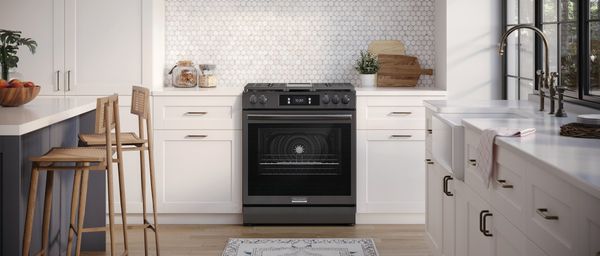
Safety should always be a top priority when installing and using a slide in range. One of the most important components is the anti-tip bracket, which anchors the rear of the range to the floor or wall. Without it, the appliance can tip forward under the weight of an open oven door or heavy cookware.
The slide-in range anti-tip bracket must be installed exactly as directed by the manufacturer. Its placement is designed to work with the range’s weight distribution, and skipping this step can lead to serious injury risks. Installers should always verify engagement by gently pulling on the range once it’s in place.
Additional slide-in range safety tips include shutting off power or gas before installation, using proper lifting techniques, and ensuring children are kept away during setup. Professional installation is strongly recommended for gas models or whenever utility modifications are required.
When Professional Installation Is the Better Choice
In many cases, professional installation is the wisest option. Local building codes may mandate certified installers for gas connections or electrical upgrades, especially when modifying existing utility lines.
Both gas and electric slide in range models can involve risks if installed incorrectly. Improper wiring or gas connections can lead to performance issues, safety hazards, or voided warranties. Manufacturers often specify that installation must meet certain standards for warranty coverage to remain valid.
Before booking an installer, homeowners should verify that the professional is licensed, insured, and experienced with slide in models. Confirming measurements, utility compatibility, and delivery logistics ahead of time helps ensure a smooth installation process.
Top Slide-In Ranges to Consider
Whether you prefer an electric, induction, gas, or dual-fuel range, we have options you’ll love from trustworthy brands like KitchenAid and Samsung.
Café 30” Matte Black Slide In Double Oven Electric Range
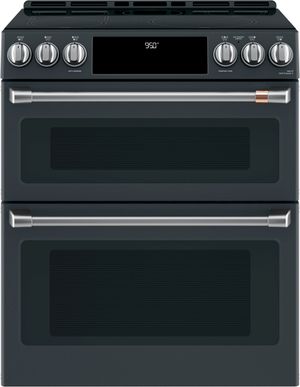
Shop Café 30” Double Oven Electric Range
This 30” Café slide-in range is designed for cooks who want flexibility and refined style in one appliance.
The double oven configuration allows you to prepare multiple dishes at different temperatures, while convection technology promotes even baking and roasting.
Its modern control panel and thoughtful design details make it ideal for entertainers and serious home chefs who value both performance and aesthetics.
Top Features
- Gourmet Guided Cooking
- Double oven with a 6.7 cu. ft. capacity
- Sleek LED control panel with backlit knobs
GE Profile 30” Fingerprint Resistant Stainless Steel Slide In Induction Range
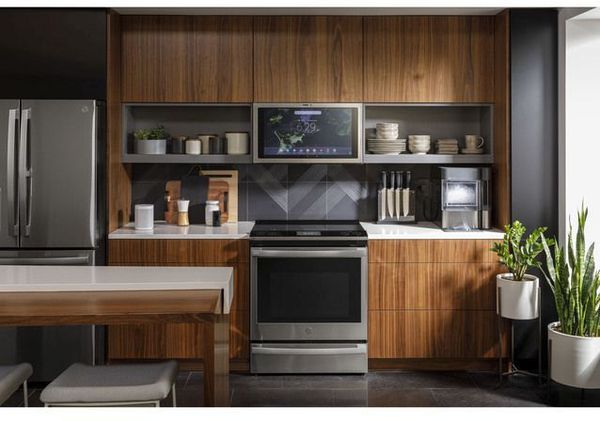
Shop GE Profile 30” Slide In Induction Range
Built for precision and convenience, this GE Profile slide-in induction range delivers fast, responsive cooking with advanced smart features.
Guided cooking, app connectivity, and synchronized elements simplify meal prep while maintaining consistent results. It’s a strong choice for tech-savvy cooks who want efficiency, control, and a clean, modern look.
Top Features
- Induction cooktop with precision sensor
- Built-in Wi-Fi with SmartHQ app control
- No preheat air fry functionality
KitchenAid 30” Stainless Steel Slide In Gas Range

Shop KitchenAid 30” Slide In Gas Range
This 30” KitchenAid slide-in gas range combines powerful burners with Even-Heat True Convection for reliable results across a wide range of recipes.
The baking drawer adds versatility, while intuitive controls make it easy to switch between cooking modes. It’s well-suited for home cooks who prefer gas performance with added flexibility.
Top Features
- Even-Heat True Convection
- Baking drawer with separate temperature zone
- Continuous interlocking grates
Bosch 800 Series 30” Stainless Steel Slide In Dual Fuel Range
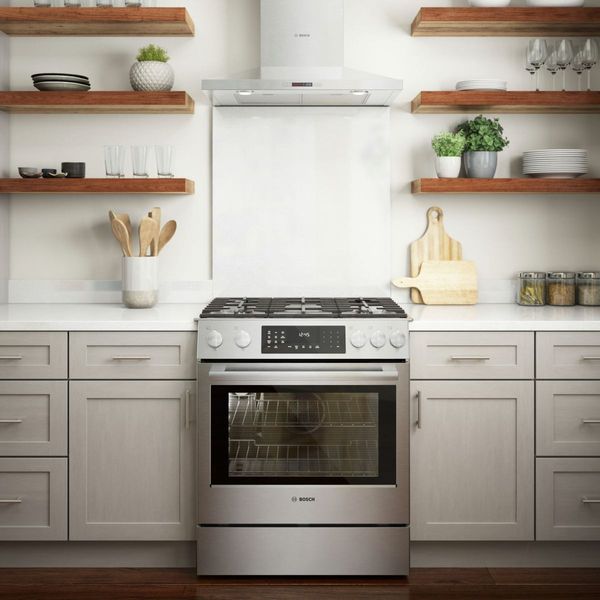
Shop Bosch 800 Series 30” Slide In Dual Fuel Range
This dual-fuel range from the Bosch 800 Series pairs a responsive gas cooktop with an electric oven for precise baking.
Its ergonomic design and side-opening door improve access, while the warming drawer adds convenience during busy meals. It’s ideal for cooks who want professional-style performance in a refined package.
Top Features
- Dual-fuel cooking system
- Warming drawer for added flexibility
- Continuous cast iron grates
Samsung Bespoke 30” White Glass Slide-In Electric Range
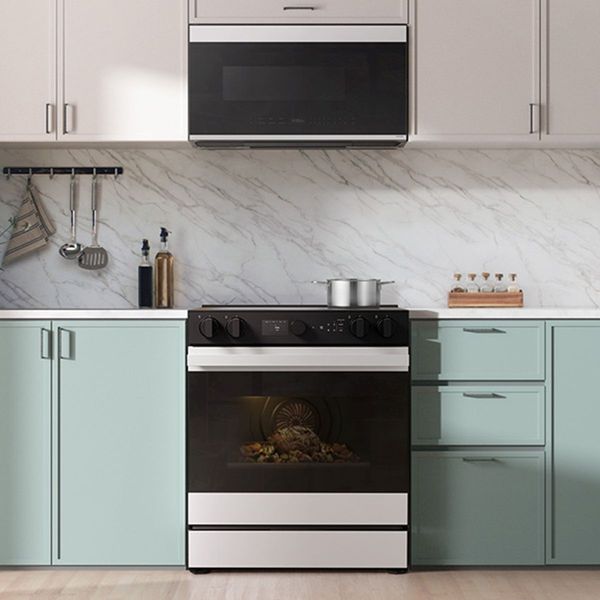
Shop Samsung Bespoke 30” Slide-In Electric Range
Designed to stand out, this Samsung electric slide in range blends smart technology with a distinctive aesthetic.
Advanced cooking modes, app connectivity, and an integrated camera make monitoring meals effortless. It’s perfect for homeowners who want cutting-edge features and a bold, contemporary kitchen centerpiece.
Top Features
- Smart oven camera with app integration
- Air Sous Vide and Air Fry modes
- Bespoke glass design with illuminated knobs
Your Next Steps for a Seamless Slide-In Range Upgrade
Choosing a slide in range starts with understanding its unique installation requirements and design advantages.
Accurate measurements, proper ventilation, and attention to safety components all play a role in long-term satisfaction. Taking the time to plan ensures your new range looks and performs exactly as intended.
At Sargent Appliances, we encourage you to explore slide in ranges that match your cooking style and kitchen layout. With the right preparation and expert guidance, upgrading to a slide-in range can transform both the appearance and functionality of your kitchen.
➜ Learn More: Frigidaire Electric Stove Models with the Most Advanced Features
Frequently Asked Questions
When it comes to understanding why the installation of a slide-in range differs significantly from a freestanding range, the key is the design of these two types of ranges. Slide-in ranges are designed to fit flush with countertops, which requires precise cutouts and leveling, while freestanding ranges are more forgiving and can fit into wider or uneven spaces.
Accurate measurements, a level floor, and proper adjustment of the range’s leveling legs are essential. Test-fitting before final connections helps confirm alignment.
Installing the manufacturer-supplied anti-tip bracket is the most effective method. It anchors the range and prevents forward movement when the oven door is open.
While not always required, professional installation is strongly recommended, especially for gas connections or electrical upgrades. Some local codes and warranties may require it.
Most electric slide-in ranges need a dedicated 240-volt circuit with proper grounding. Always follow manufacturer specifications and local electrical codes.
The gas supply must be shut off, a compatible connector installed, and all connections tested for leaks. Proper ventilation and code compliance are also essential.
Why Trust Sargent Appliance
Founded in 1954, Sargent Appliance is a third-generation, family-owned business proudly serving Michigan for over 70 years. With showrooms in Rochester, Macomb, and Clinton Township, the company offers a wide selection of premium kitchen, laundry, and home appliances from leading brands — most in stock or available within days.
Sargent Appliance delivers an exceptional shopping experience both in-store and online. Customers enjoy personalized service from manufacturer-trained experts, hands-on kitchen vignette displays, professional delivery and installation, and comprehensive support for homeowners, builders, and designers. Guided by the motto “Big enough to compete, small enough to care,” Sargent is built on a foundation of integrity, expertise, and outstanding customer service.
Shop Slide-in Ranges at Sargent Appliance
Visit one of our showrooms to see the Sargent difference — from live kitchen vignettes to expert guidance on the latest appliances. Prefer to shop from home? Shop online and find premium refrigerators, ranges, dishwashers, and more designed for style, performance, and everyday convenience. Need help? Our knowledgeable team is ready to assist you in finding the best slide-in range for your home — just call 586-791-0560, start a chat online, or visit us in person.